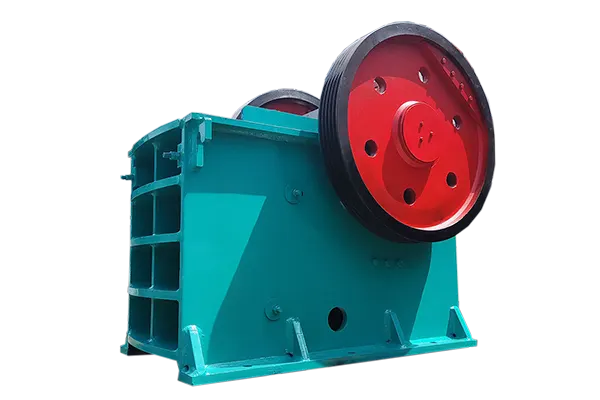
Jaw crusher
Product Overview:
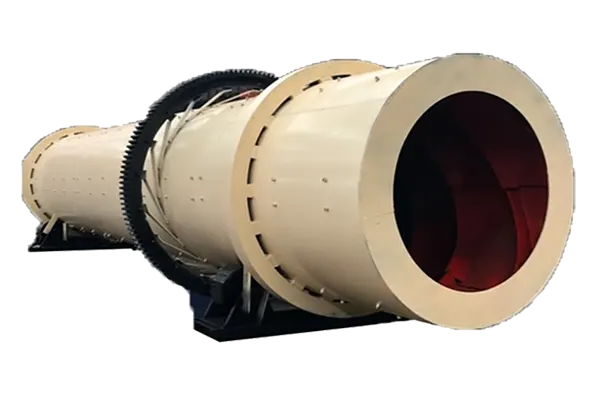
Rotary drum dryer are widely used for drying materials such as slag, clay, and other industrial materials in the building materials, metallurgy, chemical, and cement industries. They feature a simple structure, easy maintenance, low energy consumption, better stability compared to similar products, and a low failure rate.
Working principle:
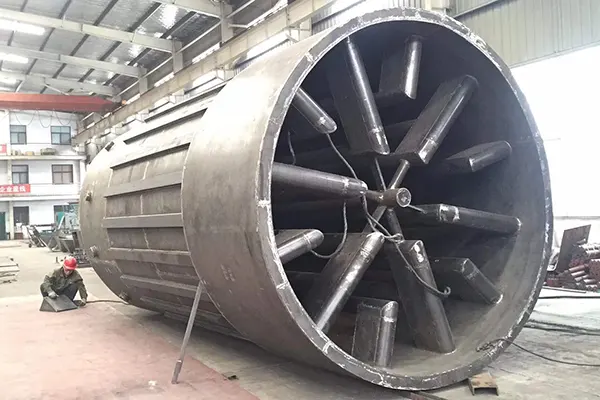
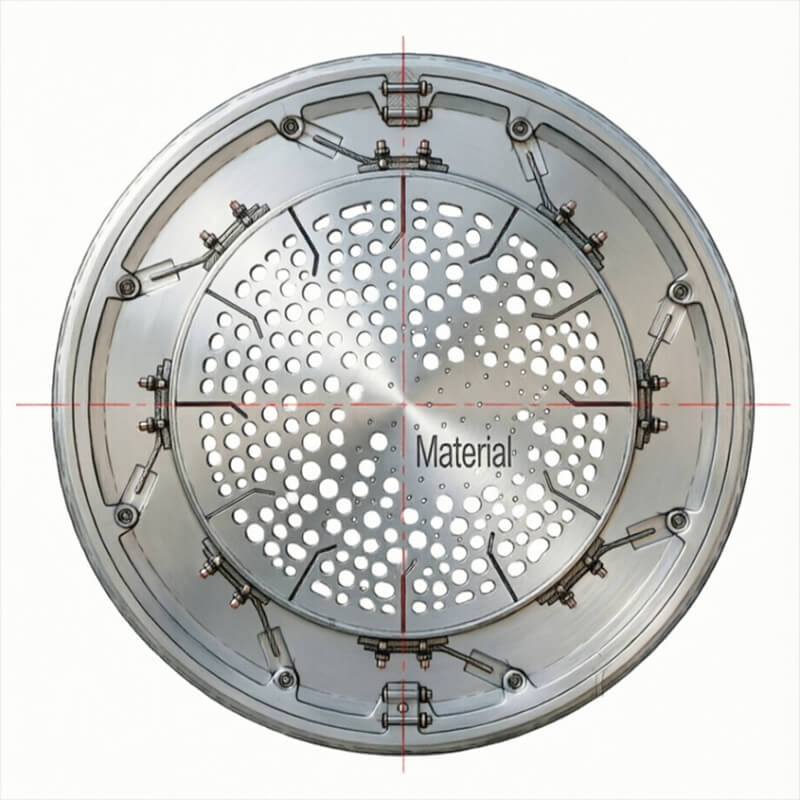
The material containing moisture is fed into the feed end of the machine and is pushed inward by the spiral blades at the feed inlet. Upon entering the drum, the lifting flights inside the drum, driven by the rotation of the drum, scatter the material, allowing it to come into full contact with the flowing hot air, thereby achieving the drying effect (As shown in the figure). The drum is installed at a certain inclination angle, so the dried material, after being lifted, moves toward the lower discharge end. The drum is supported by two supporting roller devices. A pair of thrust rollers is installed on the supporting roller device near the discharge end to prevent axial movement of the drum during rotation.
Performance Features:
1. The operating parameters can be adjusted according to different material properties, enabling the material to form a stable full-section material curtain inside the dryer drum, thereby achieving more thorough heat exchange.
2. The dryer features strong overload resistance, high processing capacity, and low drying costs.
3. The new feeding and discharging devices eliminate issues such as blockage, discontinuity, unevenness, and material return in the drum drying process, thereby reducing the load on the dust removal system.
4. The connection between the inlet/outlet components and the drum adopts a scale plate (or graphite block) type seal, providing excellent sealing performance. This significantly reduces heat loss inside the drum, thereby directly lowering fuel consumption.
5. This equipment employs a counter-current drying method, where flue gas enters the dryer from the discharge end, utilizing high-temperature flue gas to achieve a high evaporation intensity.
6. The use of a new type of burner meets customer requirements by using diesel and natural gas as fuels, overcoming the limitations of traditional fuel options.